Below, we break down a straightforward AM and PM routine, plus practical tips for helping it actually stick.
Why Simplicity Matters More Than a Long Routine at This Age
It's tempting to think more steps means better results, but for young, hormonal skin, the opposite is usually true. Tween skin is still developing its natural barrier — the outer layer that keeps moisture in and irritants out. Layering on lots of products, or using items designed for adult skin, can disrupt that barrier before it's had a chance to mature.
A short, consistent routine does more for tween skin than a long, complicated one. Four gentle steps, done reliably every morning and evening, will support clearer-looking, more comfortable skin far more effectively than a nine-step routine borrowed from social media. Consistency beats complexity every time, especially for kids who are still learning to look after their own skin.
The Morning Routine
A simple AM routine takes under two minutes once it becomes a habit:
1. Cleanse – Gel cleanser massaged onto wet skin, then rinsed.
2. Tone – A quick wipe over with a toner-soaked cotton pad, focusing on the T-zone.
3. Serum – A lightweight serum pressed into clean, dry skin.
4. Moisturise – A final layer of daily moisturiser to lock everything in before school.
The goal in the morning is to cleanse away overnight oil buildup and set the skin up to feel comfortable, not tight or greasy, for the day ahead.
The Evening Routine
The evening routine follows the same four steps, but this is the more important session of the day, since it's removing the day's build-up of sweat, oil and general grime before bed:
1. Cleanse – Wash away the day, including sweat from sport or PE.
2. Tone – Rebalance and lightly hydrate.
3. Serum – Target excess oil and support clarity overnight.
4. Moisturise – Soothe and hydrate while your tween sleeps.
If evenings are rushed, cleansing and moisturising are the two non-negotiable steps — toner and serum can be added back in once the basic habit is established.
Step by Step: How to Use Each Product
Step 1 — Cleanser
Squeeze a pea-sized amount of gel cleanser onto wet hands or directly onto wet skin. Massage gently in circular motions over the whole face for 20–30 seconds, avoiding the eye area, then rinse thoroughly with warm water and pat dry with a clean towel. This should feel gentle, never tight or squeaky afterwards.
Step 2 — Toner
Saturate a cotton pad and sweep it over clean, dry skin, paying extra attention to the T-zone (forehead, nose and chin), where tween skin tends to produce more oil. No rinsing required. An alcohol-free formula matters here — alcohol-based toners can strip young skin and, over time, can actually encourage it to produce even more oil to compensate.
Step 3 — Serum
Pump the serum two or three times onto fingertips and press or massage it into clean, dry skin before moisturiser. A little goes a long way with a lightweight gel serum, so there's no need to overapply.
Step 4 — Moisturiser
Pump once, warm the product between fingertips for a few seconds, then smooth it over the face until it disappears. This final step should leave skin feeling comfortable and hydrated, not shiny or heavy.
Helping Your Tween Build a Consistent Habit
Getting a tween to actually follow through, night after night, is often the hardest part. A few things that help in practice:
• Keep products visible. A basket or shelf in the bathroom, rather than products buried in a cupboard, makes the routine easier to remember.
• Stick to the same order every time. Cleanse, tone, serum, moisturise. Repetition builds the habit faster than variety.
• Pair it with an existing habit. Linking skincare to teeth-brushing time gives it a natural trigger.
• Keep it short. A two-minute routine is realistic for a busy 12-year-old; a ten-step one usually isn't.
• Let them own it. Choosing their own products, within sensible limits, tends to improve follow-through.
What NOT to Add to the Routine
New Zealand health reporting has warned about children using adult skincare products containing strong actives, noting that ingredients like retinol and harsh acids can harm a still-developing skin barrier and potentially cause lasting sensitivity. With that in mind, it's worth being clear on what to leave out of a tween's routine:
• Adult anti-ageing products – Retinol, high-strength vitamin C and peptide serums are formulated for mature skin concerns tweens simply don't have.
• Harsh acid exfoliants – Strong AHA/BHA treatments designed for adult congestion can be too aggressive for young skin.
• Physical scrubs and exfoliating tools – Gritty scrubs, cleansing brushes and exfoliating pads can cause micro-tears in delicate, developing skin.
• Heavily fragranced products – Added fragrance is a common cause of irritation and sensitivity in young skin.
• Multiple active serums layered together – More isn't better; it increases the risk of irritation without added benefit.
A simple, purpose-built routine avoids all of this by design.
Dewy by Trilogy's Routine for Tween Skin
Dewy by Trilogy was created specifically to match this simple, four-step approach, using formulas designed for young, hormonal skin rather than adapted from adult ranges.
The routine starts with the Fresh Face Gel Cleanser, a fragrance-free, lightly foaming gel with prickly pear cactus and aloe vera to gently cleanse without stripping, plus Mānuka leaf extract, a familiar New Zealand native known for its natural antimicrobial properties, to help keep redness and impurities in check.
Next comes the Clear Up Toner, an alcohol-free formula with cactus water and hyaluronic acid to soothe and hydrate while helping rebalance oil-prone areas like the T-zone.
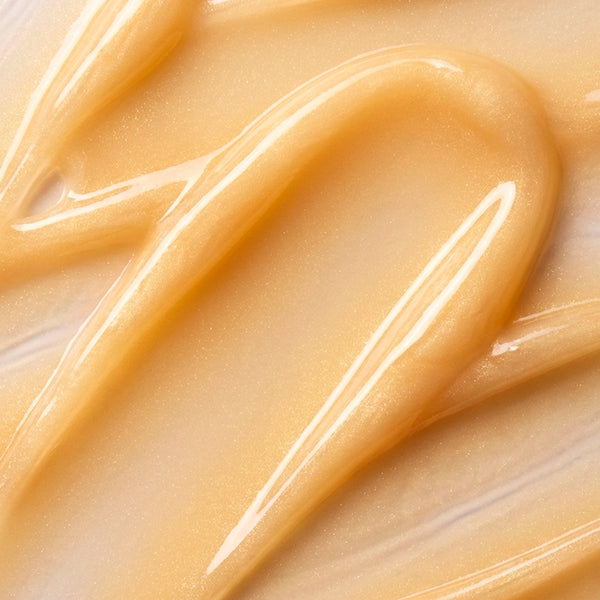
The Spotless Serum follows, a light, fragrance-free gel featuring rose myrtle to help regulate sebum and support clarity, alongside Mānuka leaf extract and biocompatible squalane to lightly hydrate and support the skin barrier.
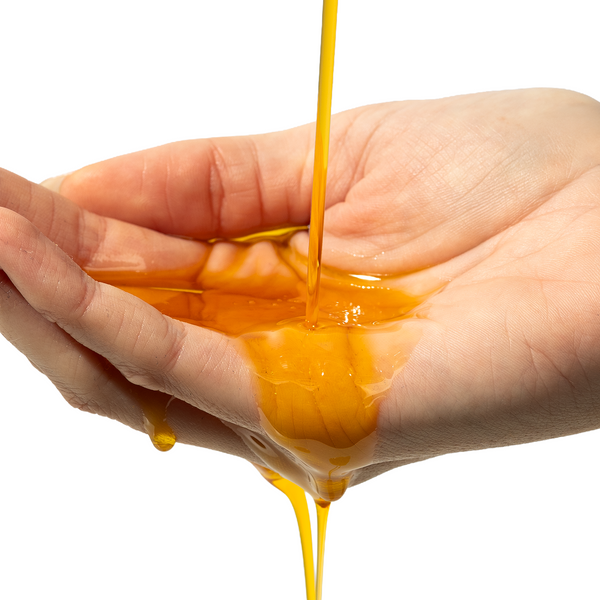
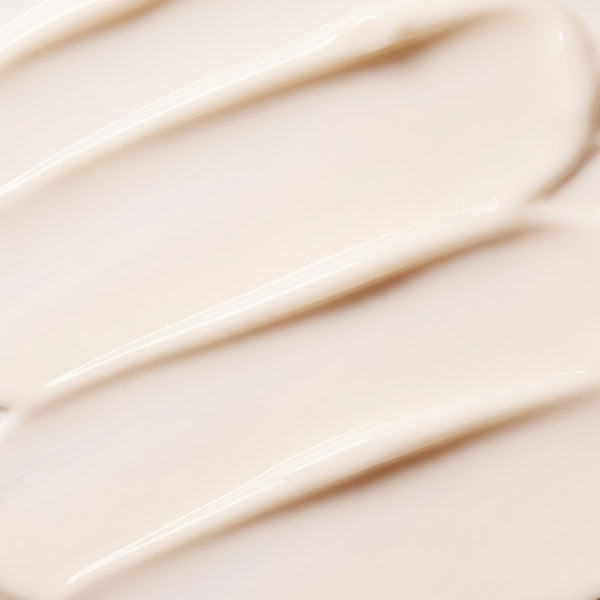
Finally, the Dream Cream finishes the routine with a lightweight, non-greasy formula containing New Zealand Mānuka honey and a zinc-enriched hyaluronic acid complex to hydrate, soothe and visibly calm reactive-looking skin.
Every product is 99%+ naturally derived, dermatologically tested, and certified natural by NATRUE, with no retinol, no added fragrance and no harsh acids — made right here in New Zealand for skin that's still finding its balance.
Frequently Asked Questions
Is it safe for my 11-year-old to start a skincare routine?
Yes, a simple, gentle routine designed specifically for young skin is appropriate from around age 11, when hormonal changes typically begin affecting oil production and skin texture. The key is choosing products formulated for tween skin specifically, rather than adult anti-ageing or acne-treatment products, which are usually too strong.
How long should the routine take each day?
Around one to two minutes, morning and night, once it becomes a habit. If it's taking much longer than that, it's worth checking whether extra steps have crept in.
What if my tween forgets a step, like toner?
That's completely fine. Cleansing and moisturising are the two most important steps; toner and serum add extra benefit but missing them occasionally won't undo the routine's overall value.
Can my tween use these products if they have sensitive or reactive skin?
Dewy's formulas are fragrance-free (aside from the naturally occurring scent of botanical ingredients), alcohol-free, and free from retinol and harsh acids, which makes them a gentler starting point for reactive skin. As with any new product, introduce items one at a time and watch for any reaction over the first week.
Should my tween exfoliate as part of this routine?
Not with physical scrubs or strong chemical exfoliants. The toner and serum in this routine already help support clarity and manage oil gently, without the irritation risk that scrubs or acid exfoliants can bring to developing skin.
Is four steps actually enough, or should we add more products?
For tween skin, four consistent steps is enough. Adding more products doesn't speed up results and increases the chance of irritation. Consistency with a simple routine outperforms an elaborate one almost every time.
At what age should my child move on to a more advanced routine?
There's no fixed age — it depends on individual skin needs, which usually change again in the later teen years. A dermatologist or GP can offer guidance if specific concerns, like persistent breakouts, come up.