Oily & Combination Skin

Skip to results list
Category
Skin Concern
Key Ingredient
Range
Price
to
The highest price is $64.99
Clear
Availability
20 items
Column grid
Column grid

Filter

Category
Skin Concern
Key Ingredient
Range
Price
to
The highest price is $64.99
Availability

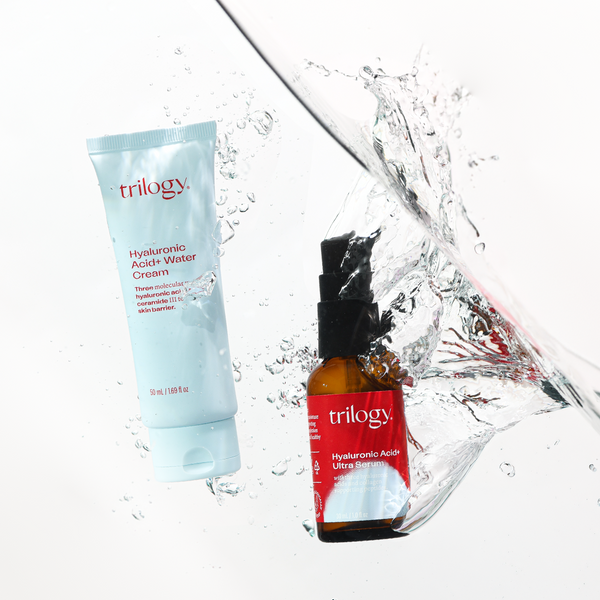
Rebalance skin's natural production of oil with a mix of oil-controlling cleansers, lightweight moisturisers & pore-refining treatments. Combat oily or combination skin while hydrating with light-weight and nourishing formulas. 


Frequently asked questions

What is the difference between oily and combination skin?

Oily skin produces excess sebum across the entire face, often leading to shine and clogged pores. Combination skin has an oily T-zone (forehead, nose, chin) but normal or dry cheeks. Both benefit from balancing products that control oil without stripping moisture.

What causes oily skin?

Oily skin is influenced by genetics, hormones, diet, and climate. Over-cleansing or using harsh products can actually stimulate more oil production. The key is to balance sebum levels with gentle, non-stripping cleansers and lightweight, oil-controlling moisturisers.

How can I manage combination skin?

Treat different areas according to their needs, use lighter, oil-controlling products on the T-zone and richer creams on dry areas. Gentle exfoliation helps prevent congestion while maintaining moisture balance across the face.
What ingredients help control oil production?

Niacinamide, salicylic acid, green tea extract, and zinc help regulate sebum and calm inflammation. These ingredients reduce shine, prevent clogged pores, and improve overall skin texture without over-drying or irritating the skin.

Can oily skin be dehydrated?

Yes, oily skin can still lack water, leading to tightness or dullness. This often happens when harsh cleansers strip natural oils. Use lightweight, hydrating serums with hyaluronic acid to restore water levels without adding heaviness.

What’s the best moisturiser for oily or combination skin?

Opt for oil-free or gel-based formulas containing humectants like glycerin. These hydrate without clogging pores. Look for non-comedogenic labels to ensure the product won’t contribute to congestion or breakouts.

How often should I exfoliate oily skin?

Exfoliate 2-3 times per week with a BHA like salicylic acid to clear pores and control excess oil. Avoid over-exfoliating, which can irritate the skin and cause rebound oiliness as the skin tries to compensate.

Does diet affect oily skin?

Yes, high glycaemic foods, dairy, and processed fats may contribute to excess sebum production in some people. A balanced diet rich in vegetables, whole grains, and omega-3 fatty acids can support healthier skin and reduce oiliness over time.

How can I reduce shine throughout the day?

Blotting papers, mattifying primers, and oil-absorbing powders can control midday shine without disrupting makeup. Regular cleansing and using lightweight hydrators in your morning routine help manage oil from the start.

Can oily or combination skin benefit from facial oils?

Yes, lightweight, non-comedogenic oils like squalane or rosehip can balance sebum production. When used appropriately, they can hydrate and protect without clogging pores, making them suitable even for oily and combination skin types.