

How To Use A Gua Sha Stone - Your Complete Step-by-Step Guide
We know that if we exercise our bodies, they’re more toned, in a state of detox, sculpted, and firmer, But, when it comes to our faces, the closest some of us get to exercise is the occasional spa facial. If, however, you have the right tools and the know-how you can bring the spa home and treat your face with some passive toning that we promise will be much more pleasant than crunches or burpees. And for us, that tool is the Gua Sha.
There’s something quietly compelling about a gua sha routine. A smooth rose quartz stone, a few drops of facial oil, five minutes before bed - and skin that looks noticeably more sculpted, less puffy and genuinely glowing in the morning. It’s one of those rituals that sounds almost too simple, but the results speak for themselves.
If you’ve just picked up your first gua sha stone - or you’ve had one sitting in a drawer because you’re not quite sure how to use it - this is your complete guide. We cover what gua sha actually does, the correct technique for each area of the face, what to avoid, and how to build it into a routine that delivers real results.

A little history
What is Gua Sha?
Gua Sha (pronounced gwah-shah) is a traditional Chinese facial massage technique that has been used in China and Vietnam for generations, to massage not just the face but all over the body with a massage tool. Usually a rose quartz or jade stone, it’s smooth all over and shaped in a way that allows you to hold it easily and work on different parts of the face and body with its curves and notches.
The name comes from the Chinese words gua (to scrape) and sha (referring to redness).
In body gua sha, firm pressure creates temporary redness as part of the therapeutic process.
Facial gua sha is an entirely different, much gentler version - light, gliding strokes that work with the contours of your face to encourage lymphatic flow, ease muscle tension and leave skin looking lifted and refreshed.
Trilogy’s Gua Sha Stone is crafted from rose quartz - a stone prized for centuries for its naturally cool temperature and smooth surface. Its contoured shape is designed to hug each part of the face, from the curves of the jawline to the delicate under-eye area, making it easier to follow the correct technique without guessing.

The 'why'
What does Gua Sha actually do?
The benefits of a regular gua sha practice build over time, but you’ll likely notice the immediate effects after your very first session:
• Reduces puffiness - by encouraging lymphatic drainage, gua sha helps move excess fluid away from the face. Morning puffiness, particularly around the eyes and jaw, responds well to consistent use.
• Improves circulation - the gentle sweeping motion brings fresh, oxygenated blood to the skin’s surface, creating an immediate healthy glow and supporting skin’s natural repair processes.
• Eases muscle tension - many of us hold tension in our jaw, temples and neck without realising it. Gua sha helps release this tightness, which over time can soften the appearance of fine lines caused by habitual facial expressions.
• Sculpts and defines - upward and outward strokes along the jawline and cheekbones create a lifted, more defined look with consistent practice.
• Boosts product absorption - using gua sha after applying a facial oil or serum helps work those active ingredients into the skin, enhancing their effectiveness.
• Supports collagen production - improved microcirculation over time supports the skin’s natural collagen synthesis, contributing to firmer, more resilient skin.
Results build over time
After one session you’ll notice a temporary glow and de-puffing effect. After 2–4 weeks of consistent use (2–3 times per week), you’ll start to see cumulative improvements in skin tone, firmness and facial definition.
Before you begin: How to prepare your skin
The most important rule of gua sha is this: never use the stone on dry skin. Without slip, the stone will drag across your skin rather than glide, which can cause irritation, redness and even broken capillaries.

Step 1: Cleanse
Start with freshly cleansed skin, free of makeup. Gua sha enhances product absorption - so you want clean skin beneath it, not yesterday’s SPF or foundation being pressed deeper.

Step 2: Apply your facial oil or serum
Apply 3-5 drops of a facial oil to your face, neck and décolletage. The oil provides the slip the stone needs to glide smoothly.
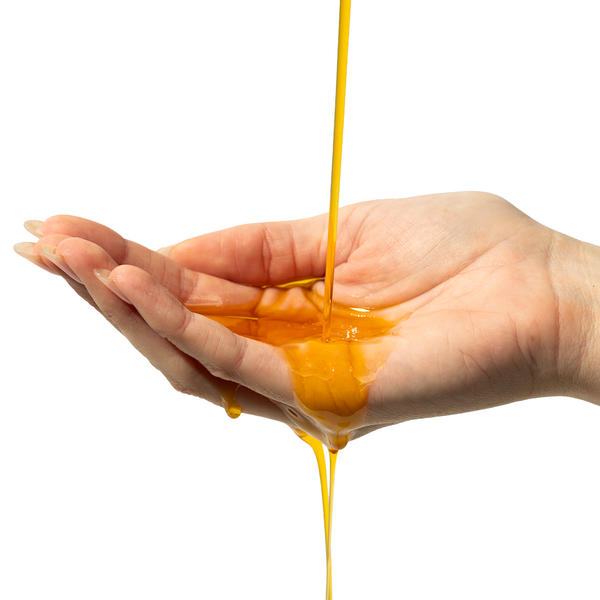
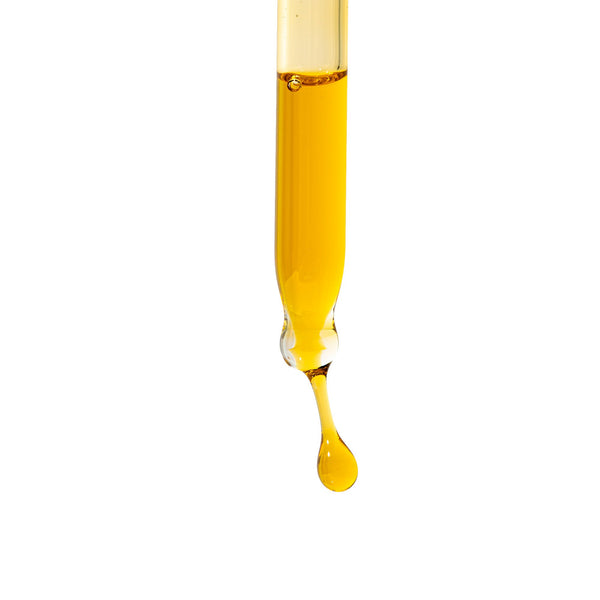
Trilogy’s Certified Organic Rosehip Oil is an ideal gua sha companion - its lightweight texture provides excellent glide without being heavy or occlusive, and its skin-nourishing properties mean you’re delivering active ingredients while you massage.
If you prefer a serum-based prep, that works too - just make sure the surface of the skin feels smooth and well-lubricated before you begin.

Step 3: Clean your Gua Sha Stone
Wash your gua sha stone with warm water and mild soap before each use. Rose quartz is semi-porous and can harbour bacteria if not kept clean -a quick rinse takes seconds and protects your skin.
PRO TIP: Pop your Gua Sha Stone in the fridge for 15 minutes before use for an extra de-puffing, cooling effect - particularly effective for morning puffiness around the eyes and jaw. Don’t put it in the freezer; rapid temperature changes can cause the stone to crack.
How To Use A Gua Sha Stone - Step-by-Step
Always work upward and outward - never downward. This direction follows the natural flow of your lymphatic system, encouraging drainage toward the lymph nodes at your collarbone and earlobes rather than pulling fluid back toward the centre of your face.
Hold the stone at a 30-45 degree angle to your skin - nearly flat, not perpendicular. This maximises the surface area of contact and ensures you’re working with the tool efficiently. Use your free hand to gently anchor the skin in the opposite direction of the stroke for better control.

Upper Face
Area: Brow & forehead
Part of stone to use: Notched edge / long edge
Direction: Brow centre out to temple; brow to hairline
Strokes: 5-10x per section
Area: Undereye
Part of stone to use: Notched (curved) tip
Direction: Inner corner outward to hairline
Strokes: 3-5x - very gently
Area: Cheeks
Part of stone to use: Long flat edge
Direction: Side of nose out to temple
Strokes: 5-10x each side

Lower Face & Neck
Area: Chin & jaw
Part of stone to use: Notched (double) edge
Direction: Centre of chin out to earlobe
Strokes: 5-10x each side
Area: Neck
Part of stone to use: Long flat edge
Direction: Collarbone up to jaw - both sides
Strokes: 5-10x each side
Area: Décolletage
Part of stone to use: Long flat edge
Direction: Centre outward to shoulder
Strokes: 5x each side
Take your time. A complete gua sha routine should feel meditative rather than rushed - aim for around 5 minutes, though even 3 minutes done consistently is more valuable than a 10-minute session done once a fortnight.
How often should you use Gua Sha?
For most skin types, 2-3 sessions per week is the ideal starting point. This gives your skin enough consistent stimulation to build the cumulative benefits without the risk of overdoing it.
If you’re brand new to gua sha, start with twice a week for the first two weeks and pay attention to how your skin responds before increasing frequency. Once you’re comfortable with the technique and your skin has adjusted, you can move to daily use if you’d like - particularly if you keep sessions short (3–5 minutes) and pressure light.
Morning vs evening: both work well, but for different reasons. A morning session is excellent for de-puffing and energising the skin before the day. An evening session is ideal for releasing the jaw and neck tension that builds through the day, and for working your night-time facial oil into the skin.
What products can I use for Gua Sha?
A lightweight facial oil or serum is the ideal gua sha companion. You want something that provides genuine slip without sitting heavily on the skin - and ideally, something that also delivers skin benefits while you massage.
Trilogy’s Certified Organic Rosehip Oil is our top recommendation for gua sha. It’s lightweight enough to let the stone glide freely, absorbs without residue, and is packed with essential fatty acids, vitamin E and naturally occurring beta-carotene - so you’re nourishing your skin while you work. It’s also one of the most versatile oils in our range, suitable for all skin types including oily and sensitive skin.
If you use a vitamin C booster serum or other treatment serum as part of your routine, apply it before the oil, then use the gua sha to help work both layers into the skin. The massage motion significantly improves product penetration, meaning your active ingredients go further.
When not to use Gua Sha
Gua sha is safe for most skin types, but there are some situations where you should skip your session or work around certain areas:
Active breakouts or open skin
Avoid massaging directly over blemishes to prevent spreading bacteria or further irritating inflamed skin
Sunburned or inflamed skin
If your skin is red, reactive or sensitive, wait until it has fully calmed before resuming.
Recent cosmetic procedures
If you’ve had Botox, fillers or other injectables, wait at least 2 weeks before using gua sha on those areas. Check with your practitioner if unsure.
Rosacea flare-ups
Avoid during active flare-ups; when skin is calm, use very light pressure and monitor your skin’s response carefully
Pregnancy
Gentle facial massage is generally considered safe during pregnancy, but avoid acupressure points and consult your LMC or GP if you have any concerns.
Building your Gua Sha ritual
The most effective gua sha practice is one that fits naturally into your existing skincare routine. Here’s a simple framework to get started:

Your Gua Sha Ritual
Cleanse - remove makeup and start with clean skin
Apply serum - a hydrating or creamy serum is best if you're using one!
Apply facial oil - 3–5 drops of Trilogy Rosehip Oil to face, neck and décolletage
Gua sha - work through the full sequence: neck → jaw → cheeks → under-eye → brow/forehead → décolletage
Moisturise - finish with your usual moisturiser to lock in everything underneath.
That’s it. Five steps, five minutes, and the kind of ritual that genuinely pays dividends over time. The key isn’t perfection, it’s consistency.
Frequently asked questions
How long does it take to see results from gua sha?
You’ll notice an immediate temporary glow and de-puffing effect after your first session. Cumulative improvements in skin tone, firmness and facial definition typically appear after 2-4 weeks of consistent use (2-3 times per week). Give it at least 6 weeks before forming a final verdict.
Can I use gua sha every day?
Yes, if you keep sessions short (3–5 minutes) and pressure light, daily gua sha is safe for most skin types. If you notice persistent redness, sensitivity or irritation, reduce frequency to every other day or 2-3 times per week.
Do I need to use a specific oil for gua sha, or can I use any?
Any facial oil or serum that provides sufficient slip will work. Lightweight oils that absorb well - like rosehip oil - are ideal as they let the stone glide freely without feeling heavy. Avoid thick balms or very occlusive oils as they can make the stone harder to control.
Can I use gua sha if I have sensitive skin?
Yes, with care. Use very light pressure, avoid any areas that are actively irritated or inflamed, and stick to a lightweight, fragrance-free facial oil. Start with one session per week and increase frequency as your skin adapts.
How do I clean my gua sha stone?
Wash with warm water and a mild soap after every use. Allow to air dry flat on a clean surface. Avoid submerging in very hot water or leaving in direct sunlight for extended periods, as this can damage some stones over time.


Gua Sha Massage Stone
A ritual rooted in tradition. Made from rose quartz, this softly contoured Gua Sha stone glides over skin to help smooth, sculpt and relieve tension, while stimulating circulation to support natural collagen production.
Pickup currently not available
Build your ritual


Certified Organic Rosehip Oil
Certified Organic Rosehip Oil
Trilogy Icon
Pickup currently not available










Continue reading
NEW Booster Serums: Fresh-Activated Vitamin C for Real Results


NEW Booster Serums: Fresh-Activated Vitamin C for Real Results
NEW Booster Serums: Fresh-Activated Vitamin C for Real Results


Last updated: May 2026